Polygonatum
kingianum. 滇黄精Diān
huáng jīng King's
solomon seal Family: Asparagaceae PART USED:Rhizome FLAVOR:
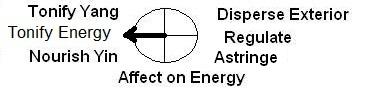
Sweet CHANNELS: Spleen, Lung, Kidney. FUNCTIONS GROUP: Replenishing Qi
1. Benefit Qi.[1]
2. Tone up Spleen, lubricate Lung, nourish Yin.[1] INDICATIONS
1. Deficient conditions, palpitation, shortness of breath, dry cough, diabetes.[1]
2. Weakness of the Spleen and the Stomach marked by lasitude, dryness in the mouth
and anorexia; dry cough due to deficiency of the Lung; deficiency of vital essence
and blood; diabetes caused by internal Heat.[2] PREPARATIONS: Dry rhizome 9 - 12 g.[1] References
[1] A Complete English Dictionary of Medicinal Terms in Chinese Acupuncture and
Herbalism 1981- Henry Lu Chinese Foundations of Natural Health- The Academy of
Oriental Heritage, Vancouver, Canada.
[2] epilepsynaturapedia.com Images
1.
tupian.baike.com
2. ecnol.com
Inner Path can not take any responsibility for any adverse effects from the
use of plants. Always seek advice from a professional before using a plant medicinally. Research
Antidiabetic effect of total saponins from Polygonatum kingianum in streptozotocin-induced
daibetic rats.
Lu JM, Wang YF, Yan HL, Lin P, Gu W, Yu J. Abstract
BACKGROUND:
Polygonatum kingianum has been used in the prevention and treatment of diabetes,
hyperlipidemia and related metabolic syndrome in Asian counties for centuries.
In this study, the blood glucose regulation activity and mechanism of total saponins
from P. kingianum (TSPK) were investigated in streptozotocin (STZ)-induced diabetic
rats in this research.
METHODS:
TSPK (0.025g/kg and 0.1mg/kg) was administrated by gavage to STZ-induced diabetic
rats for 8 weeks. Changes of body weight, food intakes, blood glucose, serum insulin
and lipid indexes were observed. Genome-wide expression profiling was applied
to explore the gene expression alternation after treated with TSPK. Expressions
of adenosine monophosphate activated protein kinase (AMPK), phosphoenolpyruvate
carboxykinase (PEPCK), the relative transcript level of glucose kinase and glucose-6-phosphatase
(GK/G6P) in the liver were investigated. Meanwhile, contents of AMPK, and glucose
transporter subtype-4 (GLUT4) in skeletal muscle, and peroxysome proliferator-activated
receptor (PPAR-γ) in adipose tissue were investigated.
RESULTS:
TSPK could effectively alleviate hyperglycemia and hyperlipidemia in diabetic
rats. Genome-wide expression profiling showed that TSPK up-regulated the expression
of GLUT4 while down-regulated the expression of G6P in insulin signal pathway.
In the liver, the expression of AMPK and GK are increased. Further more, TSPK
promoted the expressions of GLUT4 in skeletal muscle, and PPAR-γ in adipose tissue,
respectively.
CONCLUSION:
These results provide possible mechanisms for the antidiabetic effects of TSPK.
TSPK could promote not only glycogenesis but also glucose utilization in peripheral
tissue. Our results suggested that TSPK may be used as adjuvant therapy to control
blood glucose and insulin resistance in type 2 diabetic individuals.
PMID: 26743227 DOI: 10.1016/j.jep.2015.12.057 J Ethnopharmacol. 2016 Feb 17;179:291-300.
doi: 10.1016/j.jep.2015.12.057. Epub 2015 Dec 29. ncbi.nlm.nih.gov


 FLAVOR:
Sweet CHANNELS: Spleen, Lung, Kidney.
