Aloe
species, A. barbadensis, A. ferox- Cape Aloe, A.
perryi, A vera
Aloes
Family: Xanthorrhoeaceae
Aloe, is a genus containing over 500 species of flowering succulent plants.
The most widely known species is Aloe vera, or "true aloe", so called
because, though probably extinct in the wild, it is cultivated as the standard
source of "aloe vera" for assorted pharmaceutical purposes. Other
species, such as Aloe ferox, also are cultivated or harvested from the wild
for similar applications.
PART USED:
Gel/Liquid from Leaves ACTIONS GROUP: Herbs for trauma and recovery-Vulnerarys.
1. Cathartic.[1] Purgative.[1]
2. Emmenagogue use in the past.[2] INDICATIONS- Often used with carminatives to avoid griping pains.[2]
1. Anorexia. Dyspepsia. Constipation.[1]
2. Delayed menstruation with constipation.[1]
3. Wounds, ulcers burns.[1] CONTRAINDICATIONS: Pregnancy, menorrhagia, metrorrhagia and hemorrhoids,
it should be given with carminatives.[1]
Useful as laxative, however overuse can cause gastritis, diarrhea, and nephritis.[2] PREPARATIONS
Decoction 4-6 ml (of the leaves) 1:20.[1]
Decoction (BPC 1949) 4-15 ml.[2]
Liquid 0.1-0.3 g.[2]
Tincture 2-8 ml.[1] Aloes tincture
BPC 1949, 2-8 ml.[2]
Local- Fresh juice, ointment.[1]
Aloe vera Aloe
vera Gel
Domesticated species grown for their low anthraquinone content.
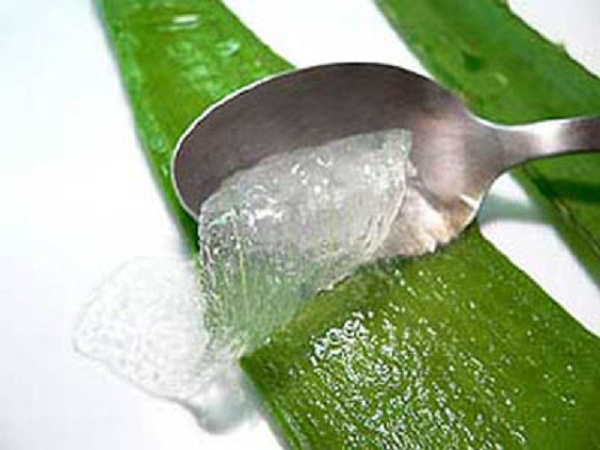
The gel is obtained from the parenchyma tissue in the centre of the leaf, by mechanical
or chemical means. It is highly variable in its properties, depending on the plant,
and the extraction technique. INDICATIONS- The gel is an ingredient in many cosmetic
preparations.
1. Topically to aid wound healing, relieve burns including sunburn, as an emollient.[2]
2. Colonic irrigation.[2] References
[1] Herbal Materia Medica Course Notes For Diploma of Naturopathy and Diploma
of Herbalism Students by Lydia Mottram.
[2] Potter's New Cyclopaedia of Botanical Drugs and Preparations R.C. Wren
Revised by Elizabeth M. Williamson and Fred J Evans. First published in Great
Britain in 1988 and reprinted in 1989 and 1994 by the C. W. Daniel Company Limited.
1 Church Path, Saffron Walden Essex. Published 1988 Printed and bound by Biddles,
Guildford ISBN 085207 1973.
[3] Pharmacognosy, 12th Ed. Trease, G. E. and Evans, W. C. Pub. Bailliere Tindall
(1983) UK.
[4] Encyclopedia of Common Natural Ingredients used in food, drugs and cosmetics.
Leung, Albert Y. Pub John Wiely & Sons Inc. (1980) NY.
[5] Shida, T. et al (1985) Planta Med 51 (3), 273. Images
1. miracle-plant-aloe-vera.com
2. healthcuretips.com
3. angiesensei.com Forever Living
Inner Path can not take any responsibility for any adverse effects from the
use of plants. Always seek advice from a professional before using a plant medicinally.Constituents.
Anthraquinone glycosides, up to 25%. Free
aloe emodin in small amounts. Chromones. Resins.[1] Gel: Polysaccharides, mainly glucomannins. Anthraquinone
glycosides.[2] Glycoproteins.[3]
Sterols, saponins and organic acids.[2] References
[1] Herbal Materia Medica Course Notes For Diploma of Naturopathy and Diploma
of Herbalism Students by Lydia Mottram.
[2] Pharmacognosy, 12th Ed. Trease, G. E. and Evans, W. C. Pub. Bailliere Tindall
(1983) UK.
[3] Encyclopedia of Common Natural Ingredients used in food, drugs and cosmetics.
Leung, Albert Y. Pub John Wiely & Sons Inc. (1980) NY.
Research.
Aloe-emodin is repoted to have anti-cancer activity in vitro.[1]
Extracts have been shown to enhance phagocytosis in adult bronchial asthma.[2] References
[1] Kupchan, S. M. and Karim, A. (1976) Lloydia 39 223
[2] Shida, T. et al (1985) Planta Med 51 (3), 273.
Anti-inflammatory effects of aloe vera gel in human colorectal mucosa
in vitro.
Langmead L, Makins RJ, Rampton DS. Abstract
BACKGROUND:
Oral aloe vera gel is widely used by patients with inflammatory bowel disease
and is under therapeutic evaluation for this condition.
AIM:
To assess the effects of aloe vera in vitro on the production of reactive oxygen
metabolites, eicosanoids and interleukin-8, all of which may be pathogenic in
inflammatory bowel disease.
METHODS:
The anti-oxidant activity of aloe vera was assessed in two cell-free, radical-generating
systems and by the chemiluminescence of incubated colorectal mucosal biopsies.
Eicosanoid production by biopsies and interleukin-8 release by CaCo2 epithelial
cells in the presence of aloe vera were measured by enzyme-linked immunosorbent
assay.
RESULTS:
Aloe vera gel had a dose-dependent inhibitory effect on reactive oxygen metabolite
production; 50% inhibition occurred at 1 in 1000 dilution in the phycoerythrin
assay and at 1 in 10-50 dilution with biopsies. Aloe vera inhibited the production
of prostaglandin E2 by 30% at 1 in 50 dilution (P = 0.03), but had no effect on
thromboxane B2 production. The release of interleukin-8 by CaCo2 cells fell by
20% (P < 0.05) with aloe vera diluted at 1 in 100, but not at 1 in 10 or 1
in 1000 dilutions.
CONCLUSION:
The anti-inflammatory actions of aloe vera gel in vitro provide support for the
proposal that it may have a therapeutic effect in inflammatory bowel disease.
Aliment Pharmacol Ther. 2004 Mar 1;19(5):521-7. ncbi.nlm.nih.gov
Efficacy and safety of Aloe vera syrup for the treatment of gastroesophageal
reflux disease: a pilot randomized positive-controlled trial.
Panahi Y, Khedmat H, Valizadegan G, Mohtashami R, Sahebkar A. Abstract
OBJECTIVE:
To investigate the use of Aloe vera (A. vera) for the treatment of gastroesophageal
reflux disease (GERD) symptoms and compare its effects with those of omeprazole
and ranitidine.
METHODS:
In this pilot, randomized controlled trial, 79 subjects were allocated to A. vera
syrup (standardized to 5.0 mg polysaccharide per mL of syrup) at a dose of 10
mL/d, omeprazole capsule (20 g/d) or ranitidine tablet (150 mg in a fasted state
in the morning and 150 mg 30 min before sleep at night) for a period of 4 weeks.
The frequencies of eight main symptoms of GERD (heartburn, food regurgitation,
flatulence, belching, dysphagia, nausea, vomiting and acid regurgitation) were
assessed at weeks 2 and 4 of the trial.
RESULTS:
A. vera was safe and well tolerated and reduced the frequencies of all the assessed
GERD symptoms, with no adverse events requiring withdrawal.
CONCLUSION:
A. vera may provide a safe and effective treatment for reducing the symptoms of
GERD.
J Tradit Chin Med. 2015 Dec;35(6):632-6. ncbi.nlm.nih.gov
Effect of Aloe vera juice on growth and activities of Lactobacilli
in-vitro.
Nagpal R, Kaur V, Kumar M, Marotta F. Abstract
In present investigation, different concentrations of Aloe vera juice incorporated
into the growth media of Lactobacilli were tested to observe the effect on growth
and activities of these bacteria. From the results obtained, it was observed
that aloe vera juice at a concentration of 5% v/v was effective in promoting
the growth of L. acidophilus, L. plantarum and L. casei, as evident from the
fall in pH and increased acidity, as well as from the improved generation time.
At 15 to 25% concentration, growth was unaffected as compared to the controls;
however, concentration higher than 25%v/v discouraged the growth. Overall, it
was concluded that Aloe vera juice or gel at a particular concentration could
possibly be used in combination with probiotic Lactobacillus strain(s) as a
combinational therapy for gastrointestinal disorders and cardiovascular diseases.
Acta Biomed. 2012 Dec;83(3):183-8. ncbi.nlm.nih.gov
Randomized, double-blind, placebo-controlled trial of oral aloe vera
gel for active ulcerative colitis.
Langmead L, Feakins RM, Goldthorpe S, Holt H, Tsironi E, De Silva A, Jewell
DP, Rampton DS. Abstract
BACKGROUND:
The herbal preparation, aloe vera, has been claimed to have anti-inflammatory
effects and, despite a lack of evidence of its therapeutic efficacy, is widely
used by patients with inflammatory bowel disease.
AIM:
To perform a double-blind, randomized, placebo-controlled trial of the efficacy
and safety of aloe vera gel for the treatment of mildly to moderately active
ulcerative colitis.
METHODS:
Forty-four evaluable hospital out-patients were randomly given oral aloe vera
gel or placebo, 100 mL twice daily for 4 weeks, in a 2 : 1 ratio. The primary
outcome measures were clinical remission (Simple Clinical Colitis Activity Index
</= 2), sigmoidoscopic remission (Baron score </= 1) and histological
remission (Saverymuttu score </= 1). Secondary outcome measures included
changes in the Simple Clinical Colitis Activity Index (improvement was defined
as a decrease of >/= 3 points; response was defined as remission or improvement),
Baron score, histology score, haemoglobin, platelet count, erythrocyte sedimentation
rate, C-reactive protein and albumin.
RESULTS:
Clinical remission, improvement and response occurred in nine (30%), 11 (37%)
and 14 (47%), respectively, of 30 patients given aloe vera, compared with one
(7%) [P = 0.09; odds ratio, 5.6 (0.6-49)], one (7%) [P = 0.06; odds ratio, 7.5
(0.9-66)] and two (14%) [P < 0.05; odds ratio, 5.3 (1.0-27)], respectively,
of 14 patients taking placebo. The Simple Clinical Colitis Activity Index and
histological scores decreased significantly during treatment with aloe vera
(P = 0.01 and P = 0.03, respectively), but not with placebo. Sigmoidoscopic
scores and laboratory variables showed no significant differences between aloe
vera and placebo. Adverse events were minor and similar in both groups of patients.
CONCLUSION:
Oral aloe vera taken for 4 weeks produced a clinical response more often than
placebo; it also reduced the histological disease activity and appeared to be
safe. Further evaluation of the therapeutic potential of aloe vera gel in inflammatory
bowel disease is needed.
Aliment Pharmacol Ther. 2004 Apr 1;19(7):739-47. ncbi.nlm.nih.gov
Effect of Aloe vera preparations on the human bioavailability of vitamins
C and E.
Vinson JA, Al Kharrat H, Andreoli L. Abstract
There are no literature references describing the effect of consumption of Aloe
vera liquid preparations on the absorption of water- or fat-soluble vitamins.
There is a very large population worldwide which consume vitamins and many people
also consume Aloe. Thus we report the effect of Aloe on the human absorption
of vitamins C and E, the most popular vitamin supplements. The plasma bioavailability
of vitamins C and E were determined in normal fasting subjects, with eight subjects
for vitamin C and ten subjects for vitamin E. In a random crossover design,
the subjects consumed either 500 mg of ascorbic acid or 420 mg of vitamin E
acetate alone (control), or combined with 2 oz of two different Aloe preparations
(a whole leaf extract, or an inner fillet gel). Blood was collected periodically
up to 24 h after consumption. Plasma was analyzed for ascorbate and tocopherol
by-HPLC with UV detection. There was no significant difference in the areas
under the plasma ascorbate-time curves among the groups sincerely due to large
differences within the groups. For comparative purposes the control area was
100%. The Aloe Gel area was 304%, and Aloe Whole Leaf 80%. Only Aloe Gel caused
a significant increase in plasma ascorbate after 8 and 24 h. For vitamin E,
the results for the relative areas were control 100%, Gel 369%, and Leaf (198%).
Only the Aloes produced a significant increase in plasma tocopherol after 6
and 8 h. Both Aloes were significantly different from the control after 8 h.
Aloe Gel was significantly different from the baseline after 24 h. The Aloes
slowed down the absorption of both vitamins with maximum concentrations 2-4
h later than the control. There was no difference between the two types of Aloe.
The results indicate that the Aloes improve the absorption of both vitamins
C and E. The absorption is slower and the vitamins last longer in the plasma
with the Aloes. Aloe is the only known supplement to increase the absorption
of both of these vitamins and should be considered as a complement to them.
Phytomedicine. 2005 Nov;12(10):760-5. ncbi.nlm.nih.gov
Topical Application of Aloe vera Accelerated Wound Healing, Modeling,
and Remodeling: An Experimental Study.
Oryan A, Mohammadalipour A, Moshiri A, Tabandeh MR. Abstract
OBJECTIVE:
Treatment of large wounds is technically demanding and several attempts have
been taken to improve wound healing. Aloe vera has been shown to have some beneficial
roles on wound healing but its mechanism on various stages of the healing process
is not clear. This study was designed to investigate the effect of topical application
of A. vera on cutaneous wound healing in rats.
METHODS:
A rectangular 2 × 2-cm cutaneous wound was created in the dorsum back of rats.
The animals were randomly divided into 3 groups of control (n = 20), low-dose
(n = 20), and high-dose (n = 20) A. vera. The control and treated animals were
treated daily with topical application of saline, low-dose (25 mg/mL), and high-dose
(50 mg/mL) A. vera gel, up to 10 days, respectively. The wound surface, wound
contraction, and epithelialization were monitored. In each group, the animals
were euthanized at 10 (n = 5), 20 (n = 5), and 30 (n = 10) days post injury
(DPI). At 10, 20, and 30 DPI, the skin samples were used for histopathological
and biochemical investigations; and at 30 DPI, the skin samples were also subjected
for biomechanical studies.
RESULTS:
Aloe vera modulated the inflammation, increased wound contraction and epithelialization,
decreased scar tissue size, and increased alignment and organization of the
regenerated scar tissue. A dose-dependent increase in the tissue level of dry
matter, collagen, and glycosaminoglycans' content was seen in the treated lesions,
compared to the controls. The treated lesions also demonstrated greater maximum
load, ultimate strength, and modulus of elasticity compared to the control ones
(P < 0.05).
CONCLUSIONS:
Topical application of A. vera improved the biochemical, morphological, and
biomechanical characteristics of the healing cutaneous wounds in rats. This
treatment option may be valuable in clinical practice.
Ann Plast Surg. 2016 Jan;77(1):37-46. doi: 10.1097/SAP.0000000000000239. ncbi.nlm.nih.gov
 Aloe
species, A. barbadensis, A. ferox- Cape Aloe, A.
perryi, A vera
Aloes
Family: Xanthorrhoeaceae